Course Description (Excerpt)
Students work closely with people with disabilities to develop assistive and adaptive technologies that help them live more independently. Covers design methods and problem-solving strategies; human factors; human-machine interfaces; community perspectives; social and ethical aspects; and assistive technology for motor, cognitive, perceptual, and age-related impairments. Prior knowledge of one or more of the following areas useful: software; electronics; human-computer interaction; cognitive science; mechanical engineering; control; or MIT hobby shop, MIT PSC, or other relevant independent project experience.
About the Project
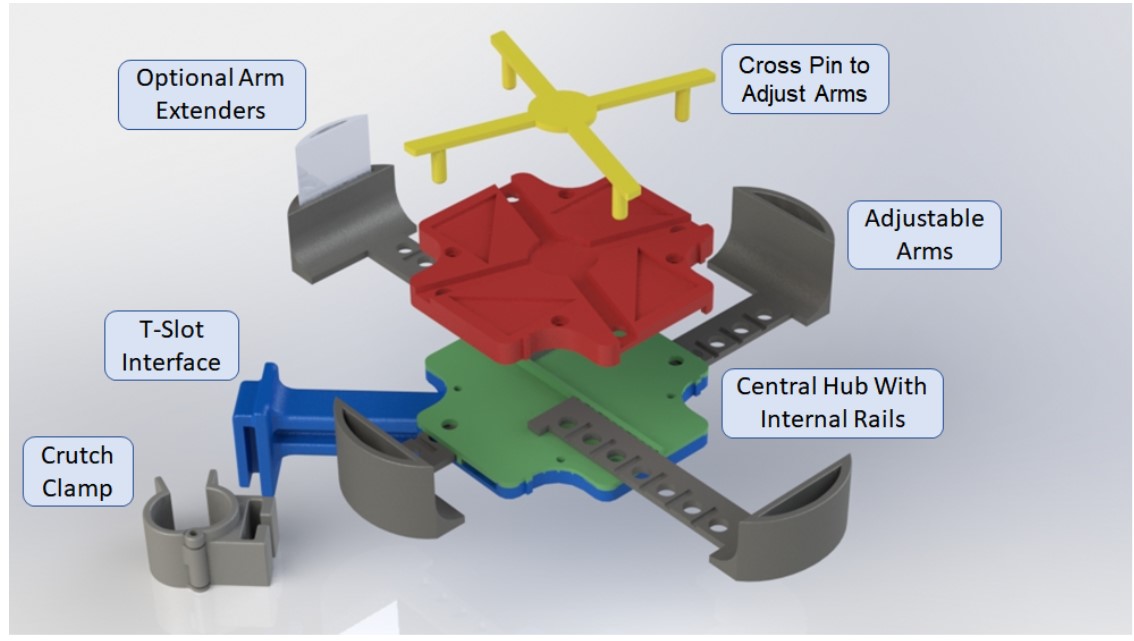
Our client was a 16 year old high school student with congenital weakness in her right leg and uses forearm crutches. She asked us to develop a small and portable attahcment to make it easier for her to carry a plate of food.
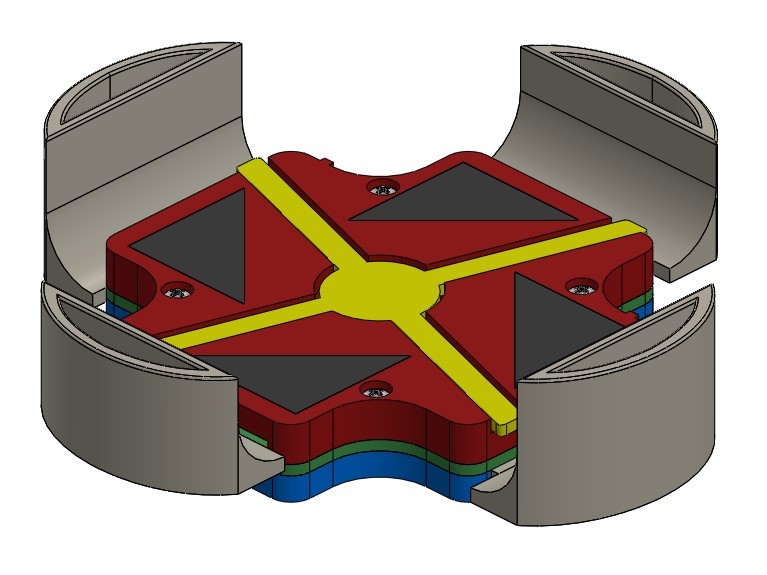
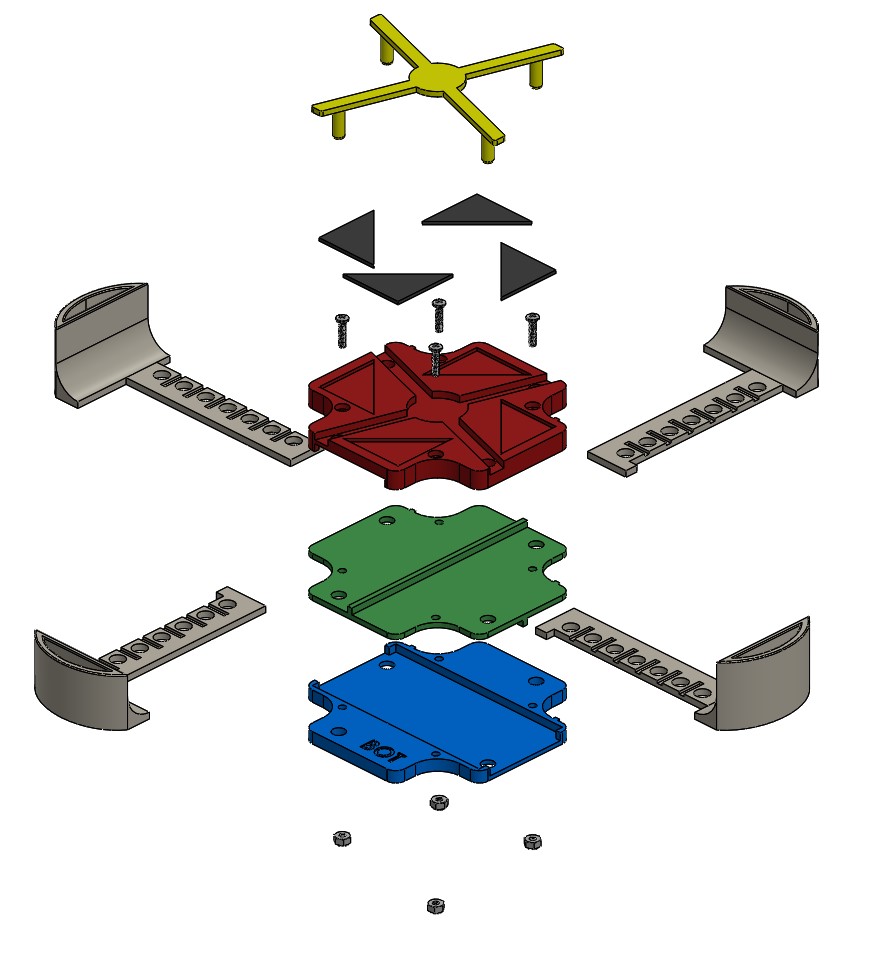
Our group designed a 3D-printed plate holder that can be easily attached and removed from our client’s cructch and can hold a variety of plate sizes by adjusting the arms.
My Contributions
I was responsible for the mechanical design of the plate holder.
Skills
Computer-Aided Design (Solidworks), 3D Printing, Hand Tools